
Owning a Tesla represents the future of mobility — it’s eco-friendly, efficient, and cost-saving in the long run. But one of the most common questions every new Tesla owner asks is: How much does it cost to charge a Tesla?
The cost to charge a Tesla depends on the model, battery size, and where you charge it. On average, charging at home costs around $10 to $18 for a full charge. Using a Tesla Supercharger can cost between $0.25 to $0.50 per kWh, which is about $20 to $30 for a full charge. Overall, charging a Tesla is cheaper than buying gasoline. Let’s break down all the factors that influence Tesla charging costs in 2025.
In this Article, we will discuss “How Much Does It Cost To Charge A Tesla”.
Understanding Tesla Charging Options:
Tesla provides several charging options for its users. Each type has different speed levels and pricing structures.
1. Home Charging
Home charging is the most common and cost-effective way to power your Tesla. You can plug your car into a standard household outlet or install a Tesla Wall Connector for faster charging.
- Standard 120V Outlet (Level 1 Charging):
This option adds about 2-3 miles of range per hour. It’s slow but useful for overnight charging if you drive short distances daily. - 240V Outlet or Tesla Wall Connector (Level 2 Charging):
A Wall Connector provides up to 44 miles of range per hour, making it ideal for daily use. The installation cost varies but generally ranges between $500 and $1,500, including hardware and labor.
Most Tesla owners prefer this option because it’s convenient, safe, and relatively affordable.
2. Tesla Superchargers
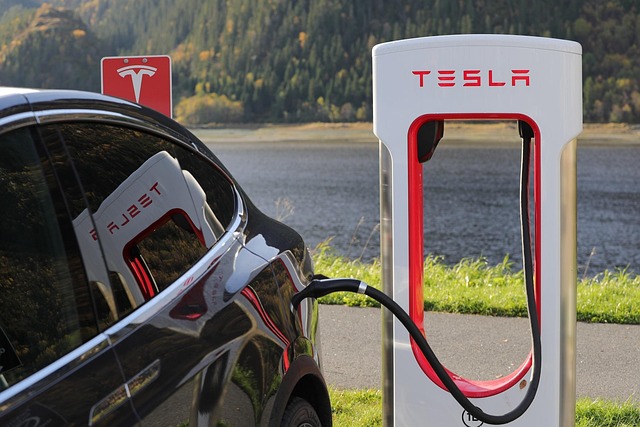
Tesla’s Supercharger Network allows you to charge your vehicle rapidly, perfect for road trips or when you’re in a hurry. Superchargers can provide up to 200 miles of range in just 15 minutes.
The price of Supercharging depends on your region, time of use, and electricity rates. On average, Superchargers cost between $0.25 and $0.50 per kWh.
That means charging a Tesla Model 3 Long Range (75 kWh battery) from 0% to 100% may cost around $18–$37, depending on your location.
3. Destination Chargers
Destination Chargers are slower than Superchargers but are often found at hotels, restaurants, shopping centers, and resorts. Many of these chargers are free for customers, making them a great choice during long stops. They typically deliver speeds similar to home Wall Connectors.
Tesla Charging Costs by Model:
Each Tesla model has a different battery size and range, which affects the total cost to charge. Let’s look at approximate home charging costs based on an average electricity rate of $0.15 per kWh in 2025.
| Tesla Model | Battery Size (kWh) | Cost to Charge at Home ($0.15/kWh) | Estimated Range (Miles) | Cost per Mile |
| Model 3 | 60–75 kWh | $9 – $11 | 270 – 358 | $0.03 – $0.04 |
| Model Y | 75–82 kWh | $11 – $12 | 303 – 330 | $0.04 |
| Model S | 100 kWh | $15 | 396 – 405 | $0.037 |
| Model X | 100 kWh | $15 | 330 – 350 | $0.043 |
| Cybertruck | 123 kWh (est.) | $18 – $20 | 340 – 500 | $0.04 – $0.05 |
These estimates show that charging a Tesla at home is significantly cheaper than filling up a gas-powered vehicle. On average, Tesla drivers save 50% to 70% on energy costs compared to gasoline.
Cost Comparison: Home Charging vs. Supercharging:
| Charging Type | Average Cost per kWh | Cost to Fully Charge Model 3 | Best For |
| Home Charging | $0.15 | $11 | Daily use |
| Supercharger | $0.30 – $0.50 | $22 – $37 | Long trips |
| Destination Charger | Free – $0.25 | $0 – $18 | Occasional use |
Charging at home remains the cheapest and most practical method for everyday use. However, Tesla Superchargers are worth the convenience for long-distance drives.
Factors That Affect Charging Costs:
Several factors can influence your Tesla charging expenses:
- Electricity Rates:
Prices vary by region and time of day. Some states offer lower nighttime rates, making off-peak charging more affordable. - Battery Size:
Larger batteries require more electricity to charge but offer longer ranges. - Driving Habits:
Frequent long trips or heavy driving can increase charging costs. - Charging Efficiency:
About 10% of energy is lost during charging. Using a Wall Connector improves efficiency. - Climate Conditions:
Extreme temperatures may affect battery performance and charging speed.
Also Read: Where Are Tesla Motor Cars Made – Complete Guide Of 2025!
How to Save Money When Charging a Tesla?
- Charge During Off-Peak Hours:
Many electricity providers offer discounted rates at night. Use Tesla’s scheduled charging feature to take advantage of these hours. - Install Solar Panels:
Pairing Tesla with solar panels can significantly cut your energy costs and make your driving nearly free. - Use Free Destination Chargers:
Take advantage of complimentary chargers at hotels, malls, or restaurants when available. - Monitor Energy Use via Tesla App:
The Tesla app shows real-time data on charging costs and energy usage.
Is It Cheaper Than Gas?
Yes, absolutely. Charging a Tesla is much cheaper than refueling a gas vehicle.
For instance, if you drive 1,000 miles per month:
- Tesla (Home Charging): Around $30–$40 monthly.
- Gas Car (30 MPG, $3.50 per gallon): Around $115–$120 monthly.
That’s a savings of nearly $900 per year, not including maintenance reductions since Teslas don’t need oil changes or exhaust repairs.
Also Read: How Many Seats Tesla Model Y Has – Complete Guide Of 2025!
How Much Does It Cost to Fully Charge Your Tesla at a Charging Station?
The cost to fully charge a Tesla at a public charging station varies depending on electricity rates and location. On average, Tesla Superchargers cost between $0.25 and $0.50 per kWh.
This means a full charge usually ranges from $15 to $30, depending on your vehicle model and battery size. Smaller Teslas like the Model 3 cost less to charge than larger models such as the Model S or Model X.
How Long Does a 100% Charge Last on a Tesla?
A 100% charge on a Tesla can last 270 to 400 miles, depending on your model and driving habits. For instance, a Model 3 Long Range offers around 330 miles, while a Model S can exceed 400 miles.
Weather conditions, highway speeds, and heavy use of heating or air conditioning can reduce range. Driving gently and keeping your tires properly inflated helps you get the most distance from a full charge.
Also Read: Do Teslas Need Oil Changes – Complete Guide of 2025!
How Much Does It Cost to Drive 100 Miles in a Tesla?
Driving 100 miles in a Tesla costs roughly $3 to $5 if charged at home and $7 to $10 at a Supercharger. The cost depends on your local electricity rate, usually around $0.13 per kWh.
Compared to gasoline vehicles, Tesla offers much cheaper per-mile costs. Efficient driving habits and charging at off-peak hours can help reduce the expense even further, making Tesla ownership more cost-effective in the long term.
Also Read: How Long Can A Tesla Battery Last – Complete Guide Of 2025!
The Cost of Charging Each Tesla EV Model (2025)
In 2025, charging costs differ based on model and electricity rates.
- Model 3: $11–$15 per full charge.
- Model Y: $13–$18 per full charge.
- Model S: $17–$25 per full charge.
- Model X: $20–$30 per full charge.
At home, electricity is cheaper, but Superchargers charge more per kWh. Driving efficiency, battery capacity, and local rates all impact total cost. Overall, charging remains much cheaper than fueling gasoline cars.
How Much Does It Cost to Charge a Tesla Model Y on Average?
Charging a Tesla Model Y typically costs between $13 and $18 for a full charge at home, depending on local electricity prices. The Model Y’s 75-kWh battery offers a range of around 300 miles.
Charging at a Supercharger can cost slightly more—around $20–$25—due to higher kWh rates. Home charging during off-peak hours can save money and ensure your Tesla stays efficiently powered for daily commutes.
How Much Does It Cost to Charge a Tesla at Home?
Charging a Tesla at home is the most affordable option. With an average electricity rate of $0.13 per kWh, a full charge costs around $10 to $15, depending on the Tesla model. Using a home charger overnight helps save time and money.
The setup cost for a Tesla Wall Connector may range from $400 to $750, but the long-term savings make home charging a smart investment for Tesla owners.
How Much Does It Cost to Charge a Tesla at a Supercharger?
Tesla Supercharger prices vary by region but usually range between $0.25 and $0.50 per kWh. Depending on your Tesla model, a full charge can cost $15 to $30.
While this is higher than home charging, Superchargers are much faster—charging most Teslas to 80% in about 25 minutes. It’s ideal for long trips where quick top-ups are needed to continue traveling efficiently.
How Much Does It Cost to Charge a Tesla Model 3?
Charging a Tesla Model 3 typically costs between $10 and $15 for a full charge at home, depending on your electricity rate. The Model 3 uses around 58 to 75 kWh, offering 270–340 miles of range.
Charging at a Tesla Supercharger might cost around $18–$25, but it’s much faster. Regular home charging remains the most cost-effective and convenient method for everyday use.
How Much Does It Cost to Charge a Tesla Model?
The cost to charge any Tesla model depends on battery size and electricity price. On average, home charging costs $10–$20, while Superchargers can range from $15–$30 per full charge.
For example, smaller models like the Model 3 cost less to charge than large vehicles like the Model X. Overall, Teslas are significantly cheaper to power compared to gasoline vehicles, offering strong long-term savings.
How Much Does It Cost to Charge a Tesla Model Y?
Charging a Tesla Model Y at home costs around $13–$18 per full charge, based on an average electricity rate of $0.13 per kWh. The Model Y’s 75-kWh battery gives about 300 miles of range.
Supercharging costs are slightly higher, around $20–$25, depending on location. Home charging overnight remains the most convenient and affordable choice for regular use.
How Long Does It Cost to Charge a Tesla?
Charging time for a Tesla depends on the charger type. With a Tesla Wall Connector, it usually takes 6 to 10 hours for a full charge. A Supercharger, however, can charge most Teslas to 80% in 20–30 minutes. Standard 120V outlets are much slower, taking over 24 hours.
For everyday use, home charging overnight provides the best balance of speed and convenience.
Final Thoughts:
Charging a Tesla in 2025 is more affordable than ever, thanks to expanding Supercharger networks and efficient home charging setups. While costs vary by location and model, most Tesla owners spend less than $15 per full charge at home. Compared to gas-powered vehicles, that’s a massive cost advantage and a step toward a cleaner, smarter future.
FAQs:
1. How much does it cost to charge a Tesla per mile?
It usually costs around $0.03 to $0.05 per mile, depending on the model and electricity rate.
2. How long does it take to charge a Tesla at home?
With a Tesla Wall Connector, most models fully charge in 6–10 hours.
3. Are Tesla Superchargers free?
No, they charge per kWh or per minute, depending on location, but some older Tesla owners still have lifetime free Supercharging.
4. Does Tesla charge more during peak hours?
Yes, Supercharger rates may be higher during busy times or peak demand hours.
5. Can I charge a Tesla with solar power?
Absolutely! Using solar panels with Tesla is one of the best ways to reduce your electricity costs and drive completely on renewable energy.
Jerry Smith brings a decade of hands-on experience at Tesla, specializing in electric vehicle engineering, battery systems, and market analysis. As both an automotive practitioner and passionate investor, he blends technical insight with stock-market savvy to demystify Tesla’s innovations and financial narrative.
Related Posts