How Can Marketing Psychology Influence Consumer Decisions?
Every day, people make decisions. They quickly select goods, services, and apps. They think their actions make sense. However, simple cues are frequently followed by the mind. It responds to emotion, tone, and colour. It looks for ease, comfort, and trust. Brands use marketing psychology tactics to effectively guide these choices.
The decision-makers are faster and more confident than ever. However, as consumers relying on brands that are always present and consistent through social media, ads, and internet sites, students also get excellent help from trustworthy sources whenever they ask for marketing assignment help.
The Interplay Between Marketing Psychology and Consumer Behaviour
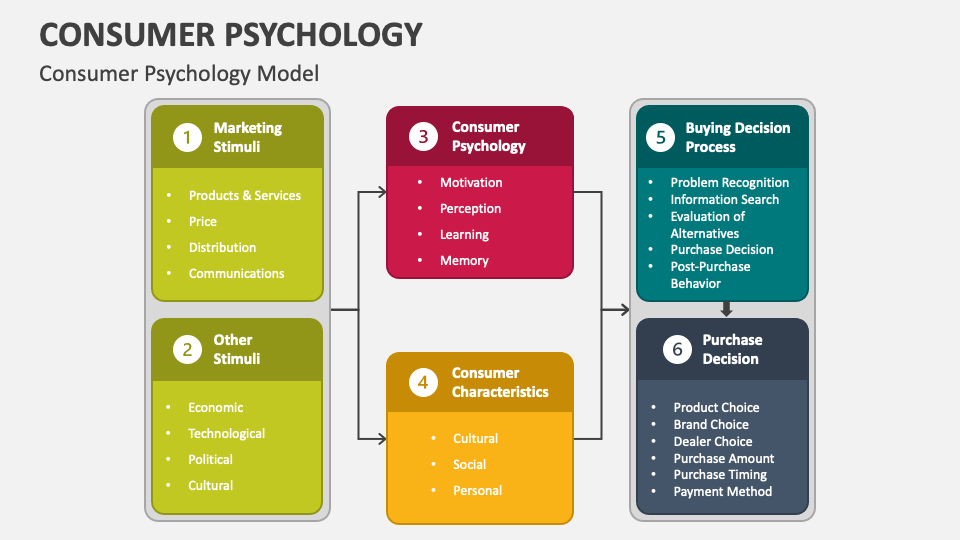
The fundamental human mental, emotional, and physical reactions are used by marketing psychology as the primary motivator for consumer decision-making. It still depends on behavioural economics, cognitive psychology, and neuroscience, though.
Thus, the consumer behaviour insights are instrumental for brands to steer perception, attract focus, and stimulate action. Here is a detailed description of the working mechanism behind marketing psychology.
First Contacts & Cognitive Biases
Consumers are seldom fully rational when making their choices. They depend on cognitive biases, which in a way are mental shortcuts. Selecting the proper one of these biases, marketers can steer the consumer’s choice.
A few of the several biases:
- Anchoring Bias: The price after discount seems really attractive because the price before discount was set so high.
- Framing Effect: “95% fat-free” seems healthier than “contains 5% fat,” even though they are basically the same statement with a different wording.
- Scarcity Heuristic: The less available something is, the more desirable it becomes. Limited-time offers or “only 3 left!” can help create this perception of high value.
It can always be tricky to ascertain the winning strategy, as sometimes minor alterations in the way things are presented.
Feelings as the Main Factor in Decision Making
The majority of decisions are based on emotions rather than logic. People usually take action, then explain themselves. The brands are there to help consumers choose by emotional connection.
Some of the methods are:
- FOMO (Fear of Missing Out): Flash sales or limited products are the methods that create an instant response.
- Happiness & Nostalgia: Campaigns that arouse memories make a product unforgettable.
- Belonging & Identity: Lifestyle positioning, such as tech or fashion brands, fosters attachment.
When emotions are connected to the message, consumers remember it longer.
Social Proof
When people are uncertain, they look to others. Observing what others do decreases doubt while increasing confidence.
Types of social proof:
- Customer reviews and testimonials
- Influencer endorsements
- “Bestseller” or “Top-rated” labels
- User-generated content
Social proof comforts buyers and helps make the decision feel safe and popular.
The Psychology of Persuasion
Cialdini’s principles explain how marketing influences behaviour effectively.
- Reciprocity: Free samples lead to purchases.
- Commitment & Consistency: Signing up for a newsletter increases future conversions.
- Social Proof: People do what others do.
- Authority: Expert recommendations instil trust.
- Liking: People like brands with which they identify.
- Scarcity: People perceive things that are rare as more valuable.
These principles subtly guide decisions without forcing them.
Brand identity and storytelling
Humans respond more to stories than facts. Through narrative, meaning and connection are formed.
- Stories build emotional engagement and memory.
- Strong brand stories make products feel purposeful.
- Storytelling turns ordinary items into experiences.
- Storytelling brands create loyalty and gain trust over time.
The Impact of Peer Influence and Community
Beyond social proof, people are strongly affected by the communities they belong to. In marketing can leverage peer groups and shared identities.
Applications:
- Online forums and social media groups where users discuss products.
- Referral programs that reward sharing among friends.
- Communities built around hobbies, fitness, or lifestyle choices that reinforce brand loyalty.
Feeling part of a group makes decisions feel supported and socially validated.
Sensory Marketing
Senses impact perception. Marketers use sight, sound, and smell to help form choices.
- Colour Psychology: Red implies urgency, blue conveys trust, and green represents sustainability.
- Sound & Music: Fast-paced tempo increases purchasing pace; slow music fosters browsing.
- Smell: In-store scent branding affects mood and quality perception.
Senses create stronger emotional connections with products.
Choice Architecture & Behavioural Nudges
How options are presented changes decisions. Small adjustments guide behaviour.
Examples:
- Default Options: People stick to pre-selected subscriptions.
- Decoy Effect: Introduce a worse option to steer the customers to the preferred choice.
- Simplify Options: Too many choices overwhelm buyers; fewer options increase conversions.
Nudges influence choices in a non-compelling way.
Personalisation & Targeting
People pay attention to things that feel relevant. Personalised experiences guide decisions.
Examples:
- Personalised recommendations on e-commerce sites
- Behaviour-triggered emails (“You left something in your cart”)
- Location-based push notifications
- Customised experiences, such as personalised playlists.
When buyers are heard, engagement and loyalty are increased.
Trust and Consistency
Consistency engenders trust. People like familiar patterns and knowing what to expect.
- A steady brand voice across ads, websites, and social media feels reliable.
- Predictable experiences reduce hesitation.
- Consistency in service and messaging strengthens confidence.
Trust makes decisions easier and encourages repeat purchases.
Simplicity in Design and Messaging
People avoid complicated choices. Simple design improves decisions.
- Clean layouts guide attention.
- Short headlines outline the most important information.
- Minimalist content reduces stress.
Simplicity allows the mind to focus on value and benefits, hence speeding up decisions.
Why Marketing Psychology Works
Marketing psychology works because it is in line with human nature. People:
- Seek connection
- The desire to belong
- Respond strongly to emotion
- Think quickly and intuitively
- Follow social cues
One can pay someone to do my assignment to ensure it meets high standards while learning from professional examples.
Conclusion
Marketing psychology is the study of how consumer decisions combine emotion, social proof, cognitive shortcuts, storytelling, sensory cues, personalisation, and trust. Brands that know these principles create experiences that feel simple, natural, and appealing.
Buyers make confident choices and feel satisfied with those choices. They respond quickly to clear messages. Small cues can guide decisions effectively. Emotional connections make products memorable. In the end, marketing psychology helps companies connect with and cultivate loyalty in consumers, while the buyers feel understood and empowered.